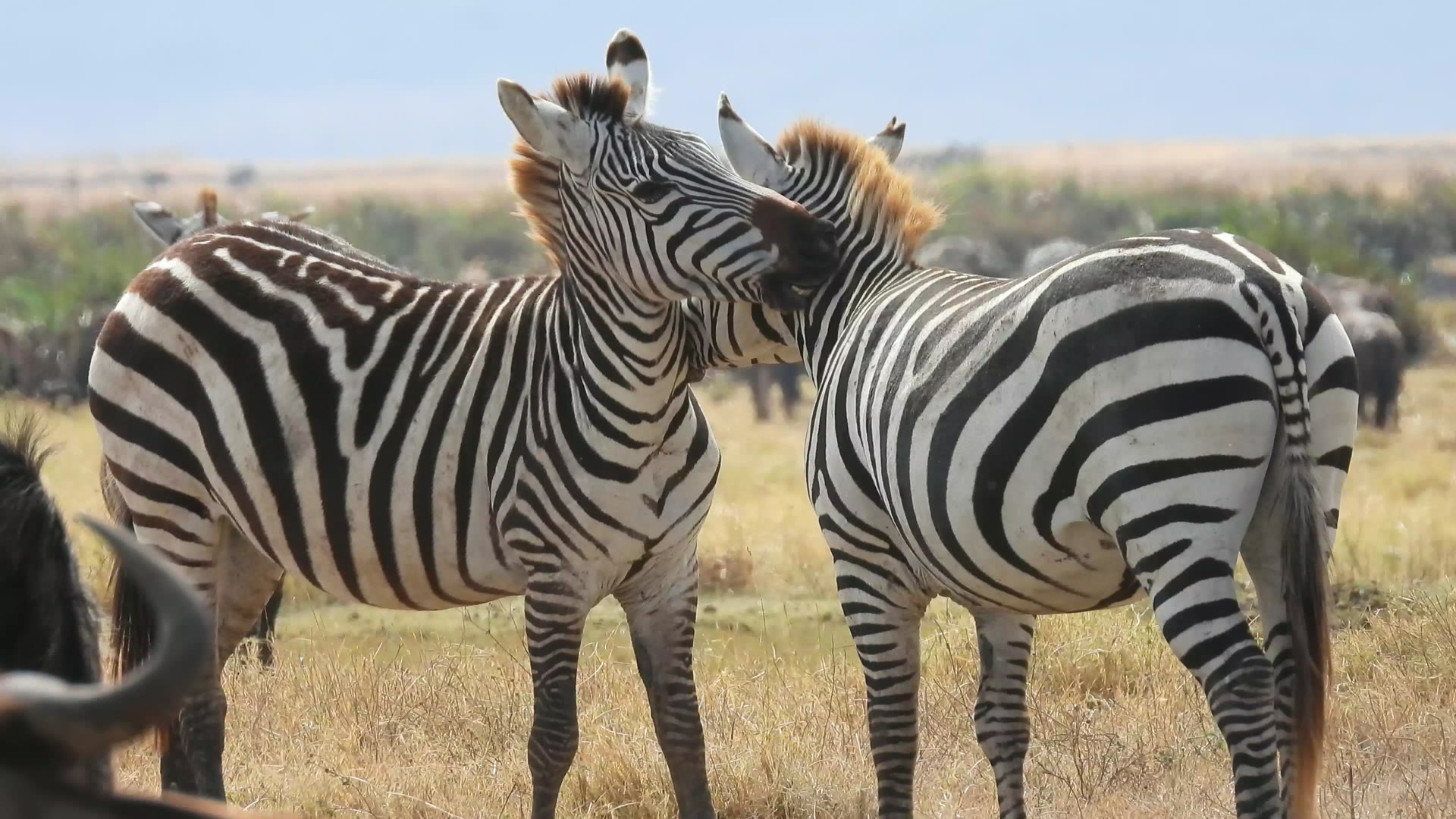
The Great Migration is not an event but a year-long circle. Around a million and a half wildebeest, with hundreds of thousands of zebra and gazelle, follow the rains across the Serengeti ecosystem. Knowing where they are each month is the key to planning your safari.
December to March — calving season
The herds gather on the short-grass plains around Ndutu in the southern Serengeti. In February, thousands of calves are born each day, and predators are never far away. The green landscapes are beautiful and the light is soft.
April and May — on the move
The long rains arrive and the herds begin moving north and west. It is the quietest time in the parks, with lush scenery and lower prices.
June and July — the Western Corridor
The herds push through the Western Corridor, crossing the Grumeti River where giant crocodiles wait.
July to October brings the Mara River crossings — the most dramatic moments of the migration.
August to October — the north
In the northern Serengeti, the herds mass along the Mara River. Crossings are unpredictable: patience is everything.
November — the return
With the short rains, the herds stream south again, back towards the plains where the cycle began.
