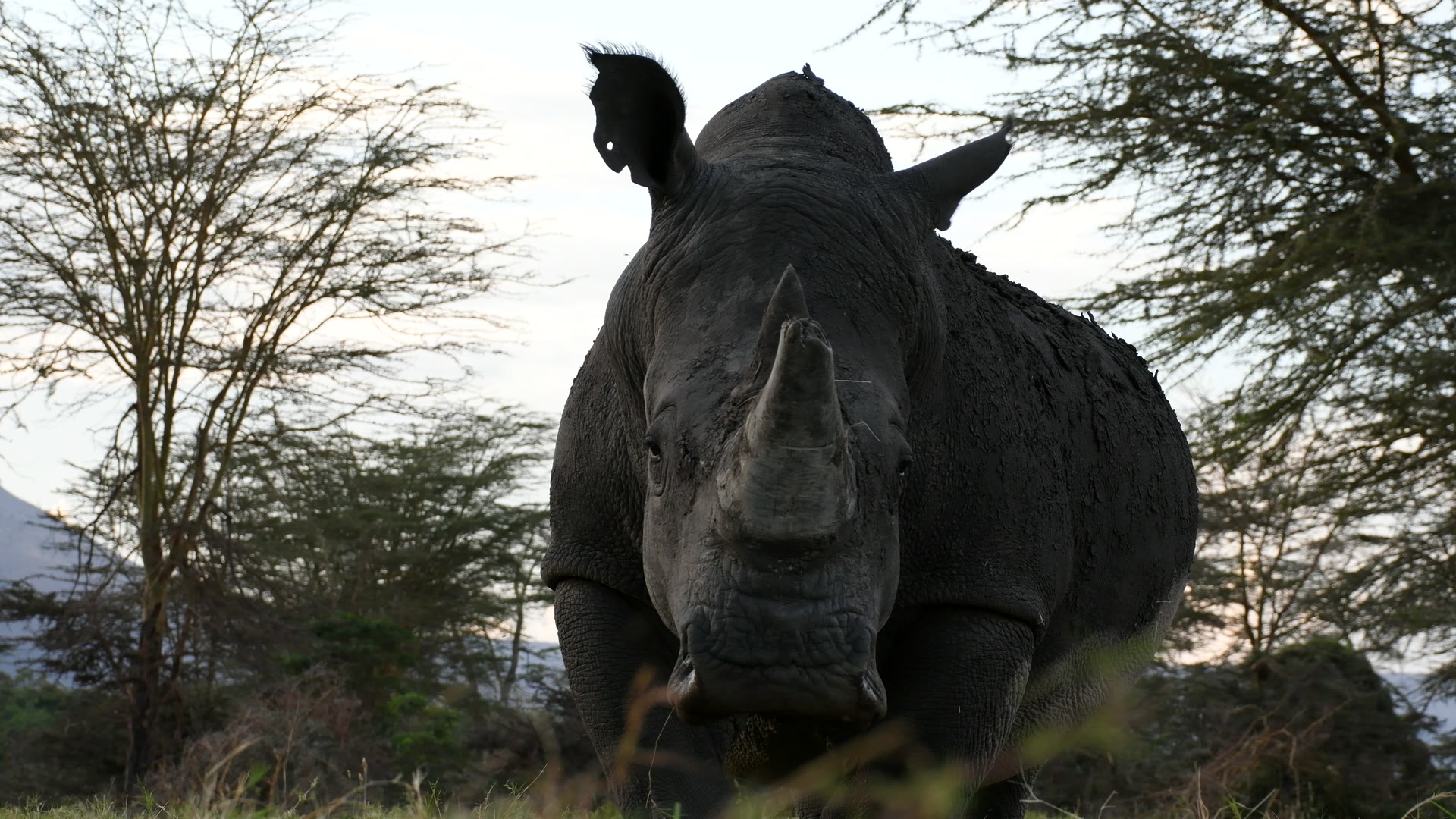
Few animals carry the weight of history like the rhino. They have roamed Africa for millions of years, yet in just a few decades of the twentieth century poaching pushed them to the edge. In Tanzania, black rhino numbers fell from thousands to a few dozen.
Today, small populations survive thanks to dedicated protection — in the Ngorongoro Crater, parts of the Serengeti and specially managed sanctuaries. Every individual is known, monitored and guarded.
Why each rhino matters
When a population is this small, every birth is a victory and every loss is felt. Monitoring teams track individual animals, record their health and movements, and work closely with rangers to keep them safe.
Seeing a rhino in the wild is a privilege — one that exists only because people chose to protect them.
On safari with us, a rhino sighting is never just a tick on a list. Our guides share the story behind each animal, and part of every journey supports the conservation work that protects them.
The future of the rhino is still being written. Responsible travel is one of the ways we can help write it well.